


Alira Arts Blog
Funding insights, sector updates, and practical advice for artists, arts organisations, and cultural charities across the UK.

NPO 2028-33: A Practical Guide to Applying for Arts Council England's National Portfolio
The NPO 2028-33 portal opens on 20 October and closes on 15 December 2026. Here is what the guidance says, how much to ask for, and 12 practical tips.

How Environmental and Heritage Charities Find Funding in the UK (2026 Guide)
Most environmental and heritage charities raise money the same four ways, yet many start in the wrong place. Here is where UK funding actually comes from, which route to begin with, and why strong positioning beats strong work every time.

Can an overseas organisation access UK funding?
If your environmental or heritage project sits outside the UK, can you still tap into British trusts, foundations and donors? Sometimes, yes, but only on the right terms. Here is what is realistic, which routes are open, and where to start.

How to Fund a Heritage or Environmental Capital Project
Funding a big heritage or environmental capital project, whether that is a building, a restoration or a large new programme, usually means running a capital campaign. That is a structured effort, with a deadline, to raise a set amount from a mix of trusts, foundations, donors and sometimes statutory or corporate sources. It moves through clear stages, and the work you do before the public launch is what decides whether it works.

What Is a Fundraising Feasibility Study, and Does Your Project Need One?
Before you launch a major campaign, one question matters most: is the money really there? A feasibility study answers it. Here is what one involves, what it costs you to skip it, and how to tell whether your project needs one.
5 Music Grants for May 2026
Every month we round up the grants that arts and cultural organisations should have on their radar, with the funder context, what they're actually looking for, and one honest tip for your application.
5 Theatre Grants for April 2026
Every month we round up the grants that arts and cultural organisations should have on their radar, with the funder context, what they're actually looking for, and one honest tip for your application.
Grantium 7.0: Same Problems, Bigger Platform
Grantium has a new version. It's slower, it's glitchier, and it's still letting down the people trying to fund vital arts work.
We've been collecting evidence, over 100 anonymous survey responses and counting. Here's what we know, and how you can add your voice.
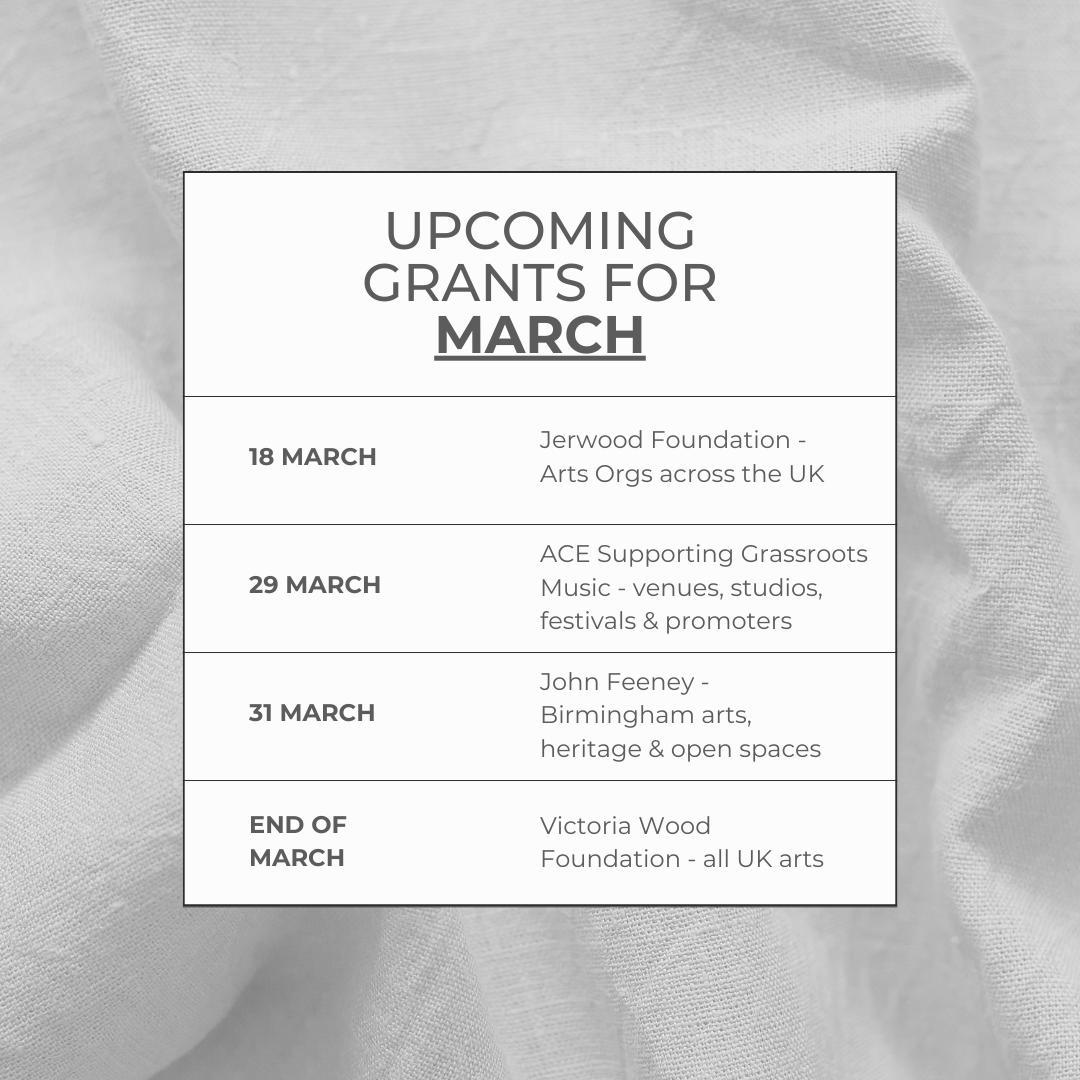
4 Grants Open March 2026
Four grants are closing this March, and if you're working in arts, heritage or music, at least one of them is worth your time. We've pulled together the key details on the Jerwood Foundation, John Feeney Charitable Trust, Victoria Wood Foundation, and ACE's Supporting Grassroots Music fund, including what they're really looking for and how to give your application the best chance.

Using AI the Right Way: Strengthening Your ACE or DYCP Application
AI won’t get you funded on its own but it can help you refine your Arts Council application. We tested ChatGPT and Gemini on a real funded bid and share what they got right, what they missed, and why human fundraising expertise still makes the difference.
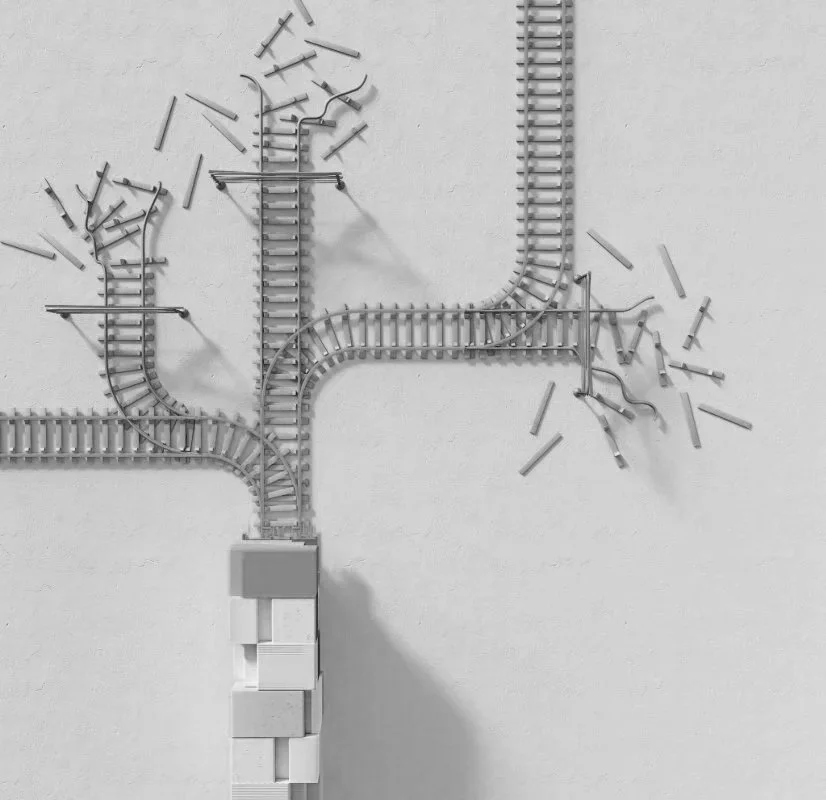
Why letting AI write your Arts Council England Application (unsupervised) is a terrible idea.
AI might write fast, but it won’t write you. This blog explores how letting ChatGPT or Gemini draft your Arts Council application without supervision can sabotage your chances – from vague clichés to missing crucial details like creative vision and safeguarding. Featuring insights from the Pink Stitch case study, you'll learn why authenticity wins every time.

Using the Indices of Deprivation as a Planning Tool in the Creative Industries
How do you turn what you observe in your community into evidence funders actually want to see? At Alira Arts, we use the English Indices of Deprivation as one of our most valuable planning tools. The 2025 release is now available, and it's completely free, accessible, and easier to use than you think. In this blog, we share how we use IoD data to strengthen funding applications, build strategic partnerships, and demonstrate why creative work matters where it matters most.

Arts Council England Pauses DYCP (Again): What Artists Need to Know About the New R&D Fund
DYCP Paused Until April 2026: New Arts Council R&D Fund Explained


Join the conversation.
Noticed a shift in the sector? Got ideas or insights to share? We’d love to hear from you.